Every new owner-operator asks me the same question: “Austrin, should I pull a dry van or a reefer?” And every time, my answer starts the same way — it depends on what kind of money you want to make, and what kind of headaches you are willing to live with.
I run dispatch for both. I see the rate sheets, the breakdowns, the detention fights, and the settlements every single week. Here is the honest comparison nobody gives you — rates, costs, lifestyle, and my verdict on which one wins in 2026.
Dry Van: The Volume Game
The dry van is the workhorse of American trucking — a simple enclosed 53-foot box with no refrigeration. It hauls the everyday freight that keeps the country running: paper products, packaged food, electronics, furniture, auto parts, retail goods.
Typical 2026 spot rates: $2.00–$2.60 per mile on common lanes, with stronger markets (Texas triangle, Southeast) pushing $2.80+. Contract freight runs a little lower but steadier.
Why drivers love it: dead-simple equipment. No reefer unit to fuel, service, or babysit. Drop-and-hook is common. Appointments are flexible — show up, get loaded, roll. Maintenance is cheap and every shop in America can fix a dry van.
The catch: everybody and their cousin pulls a dry van. It is the most competitive segment in trucking, which means rates get squeezed first when the market softens. You win on volume and efficiency, not on premium pricing.
Reefer: The Premium Game
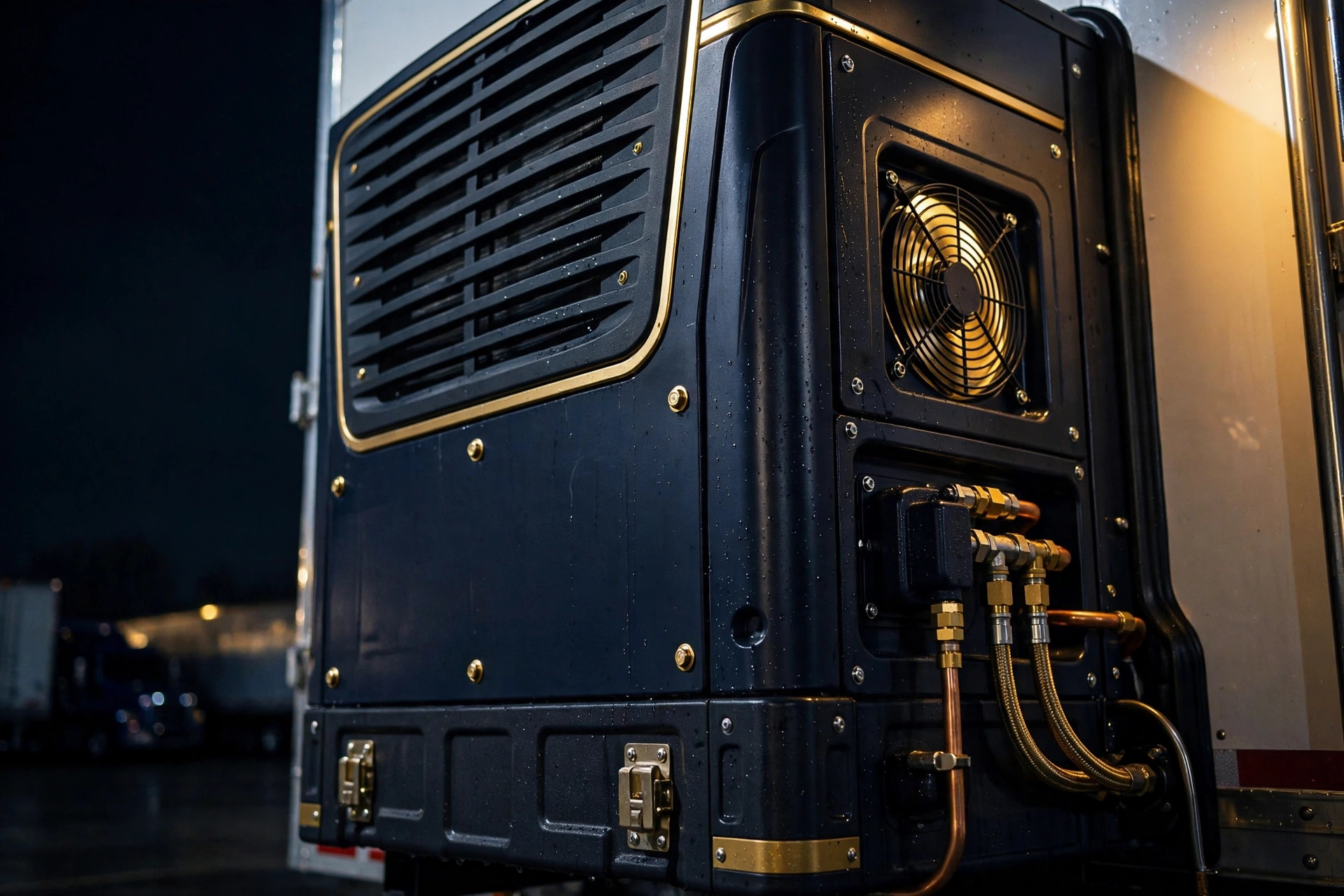
A refrigerated trailer hauls temperature-controlled freight — produce, meat, dairy, pharmaceuticals, flowers. The reefer unit keeps the box at an exact temperature, and the shipper pays extra for that precision.
Typical 2026 spot rates: $2.40–$3.20 per mile, with produce season (spring through fall) spiking to $3.50+ on hot lanes out of California, Florida, and Texas. Pharma and high-value food loads pay the best.
Why drivers love it: higher rates per mile, year-round demand (people always eat), and less competition than dry van. Good reefer dispatchers build relationships with produce brokers that turn into repeat business.

The Real Cost Comparison
Rates only tell half the story. Here is what each trailer actually costs you to run:
| Cost Factor | Dry Van | Reefer |
|---|---|---|
| Trailer purchase / lease | Lower — simple box | Higher — +$15k–$25k for the unit |
| Fuel | Tractor only | Tractor + reefer diesel (extra $200–$400/week) |
| Maintenance | Minimal — tires, brakes, lights | Reefer unit service every 1,000–2,000 hrs |
| Insurance | Standard cargo | Higher — reefer breakdown coverage needed |
| Wait times | Usually shorter | Longer — grocery DCs are notorious |
| Claim risk | Low | High — one temp excursion can kill a $40k load |
The reefer's extra $0.40–$0.60 per mile in revenue has to cover roughly $400–$700 per week in extra operating costs. On a 2,500-mile week, that math works — you net more. On a slow 1,500-mile week, the dry van can actually take home more.
The Lifestyle Difference

Nobody talks about this, but it matters more than most drivers admit. Reefer is a lifestyle commitment. Produce loads run on tight appointment windows — miss a 2 AM delivery slot at a grocery DC and you wait 8 hours for the next one. The reefer unit hums all night next to your sleeper. Breakdowns are emergencies, not inconveniences.
Dry van is the calmer life. More flexible appointments, quieter nights, simpler problems. If you value predictable schedules and lower stress, the dry van wins on quality of life even when the reefer wins on paper revenue.
My Verdict as a Dispatcher
I'm Austrin Parker, Founder & CEO of Evernex Transportation LLC, and I dispatch both trailer types every day. Here is my honest take:
Choose reefer if: you want maximum revenue, you are disciplined about maintenance, you can handle strict appointments, and you run in produce-heavy regions (CA, TX, FL, Southeast). The extra income is real — $15k–$25k more per year for a well-run reefer operation.
Choose dry van if: you are new to ownership, you value simplicity and flexibility, you want the lowest operating costs, or you run lanes where reefer premiums are thin. There is zero shame in the volume game — consistent $2.40/mile dry van freight beats a reefer sitting at a grocery DC.
The tiebreaker: your dispatcher. A great dispatcher finds the premium reefer loads that justify the hassle — or the high-volume dry van lanes that keep you rolling. The trailer is the tool; the dispatcher is the strategy. That is exactly what we do at Evernex: match the right freight to your equipment, negotiate the rate like it is our own money, and keep you loaded.